Write Rules making learning handwriting fun and easy
Write Rules is a handwriting programme that teaches young children in their first two years of school how to write in a fun and easy way. This page is for parents who’s children attend a school that uses Write Rules. It will give you a bit more information so that you know what your child is learning in their handwriting lessons.
Key Takeaways
1. Write Rules is a complete handwriting programme that includes everything that teachers need to teach letter formations to their class, including lesson plans, songs, movement activities and worksheets.
2. Parents can reinforce the Write Rules concepts at home when they are practising handwriting with their children.
3. This page includes the letter families and examples of the videos to help parents know what their child/children is learning at home.
4. For those who want to know a bit more, the key principles that underpin the Write Rules programme are also discussed at the bottom of the page.

Write Rules making learning handwriting fun and easy
Write Rules is a handwriting programme that teaches young children in their first two years of school how to write in a fun and easy way. This page is for parents who’s children attend a school that uses Write Rules. It will give you a bit more information so that you know what your child is learning in their handwriting lessons.
Key Takeaways
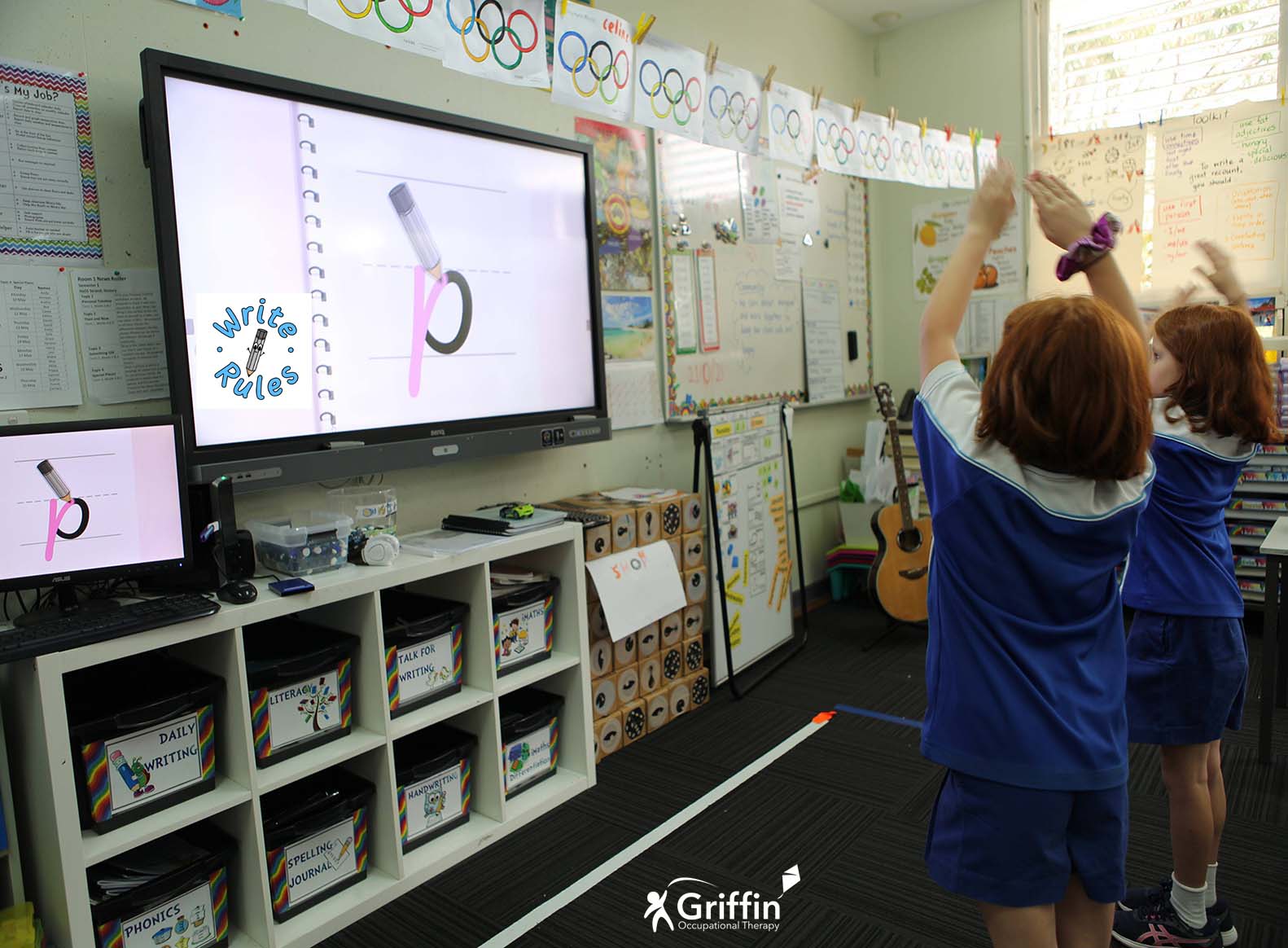
1. Write Rules is a complete handwriting programme that includes everything that teachers need to teach letter formations to their class, including lesson plans, songs, movement activities and worksheets.
2. Parents can reinforce the Write Rules concepts at home when they are practising handwriting with their children.
3. This page includes the letter families and examples of the videos to help parents know what their child/children is learning at home.
4. For those who want to know a bit more, the key principles that underpin the Write Rules programme are also discussed at the bottom of the page.
Write Rules letter groupings
Write Rules teaches children their letters from easiest to hardest. We start with the letter ‘l’ and finish with ‘k’. Our goal is to make children have positive experiences when they are learning to write and to support their confidence. These are the four letter families, we use the prompts at the top of the page in the songs. You can download a printable wallchart of the letter families groupings here.


Write Rules uses songs to support learning
Example videos
This is a sample of the videos (including the letter family songs), schools have access to a 60 week plan which supports them to teach children in their first two years of school. Parents can purchase individual access to Write Rules here if they wanted to also follow the programme at home.
Write Rules Songs
Dough Dance – Fine Motor Skills
Move with Jessie – Gross Motor Skills
Write Rules Stories
How you can help at home
Why we do it this way?
After many years supporting children with poor handwriting skills, Kim identified three common characteristics in children who struggle with their writing. The first was they often started their letters in the incorrect position. This can reduce writing fluency and add to letter orientation confusion.
Secondly, they frequently segmented their letters. Segmentation means that draw letters in parts, rather than in one continuous motion. For example, they might draw they body of an ‘r’ then go back and add the little bit on the top left. This also reduces writing fluency and speed. It can sometimes make writing difficult to read.
Finally, children often had very poor sizing and placement of letters on the line. So, their ‘j’ might sit up on the line rather than go underneath it. Or, their ‘s’ and their ‘h’ might be the same size and often they would omit spaces between words. These errors make writing more difficult to read in the long term.
Kim has created the Write Rules programme to help teachers teach handwriting correctly at the start. It focusses on teaching letter formations using motor based prompts (e.g. start at the top) and by grouping the same letter formations together. If you want to learn more about letter formation patterns (or letter families) you can read this post.
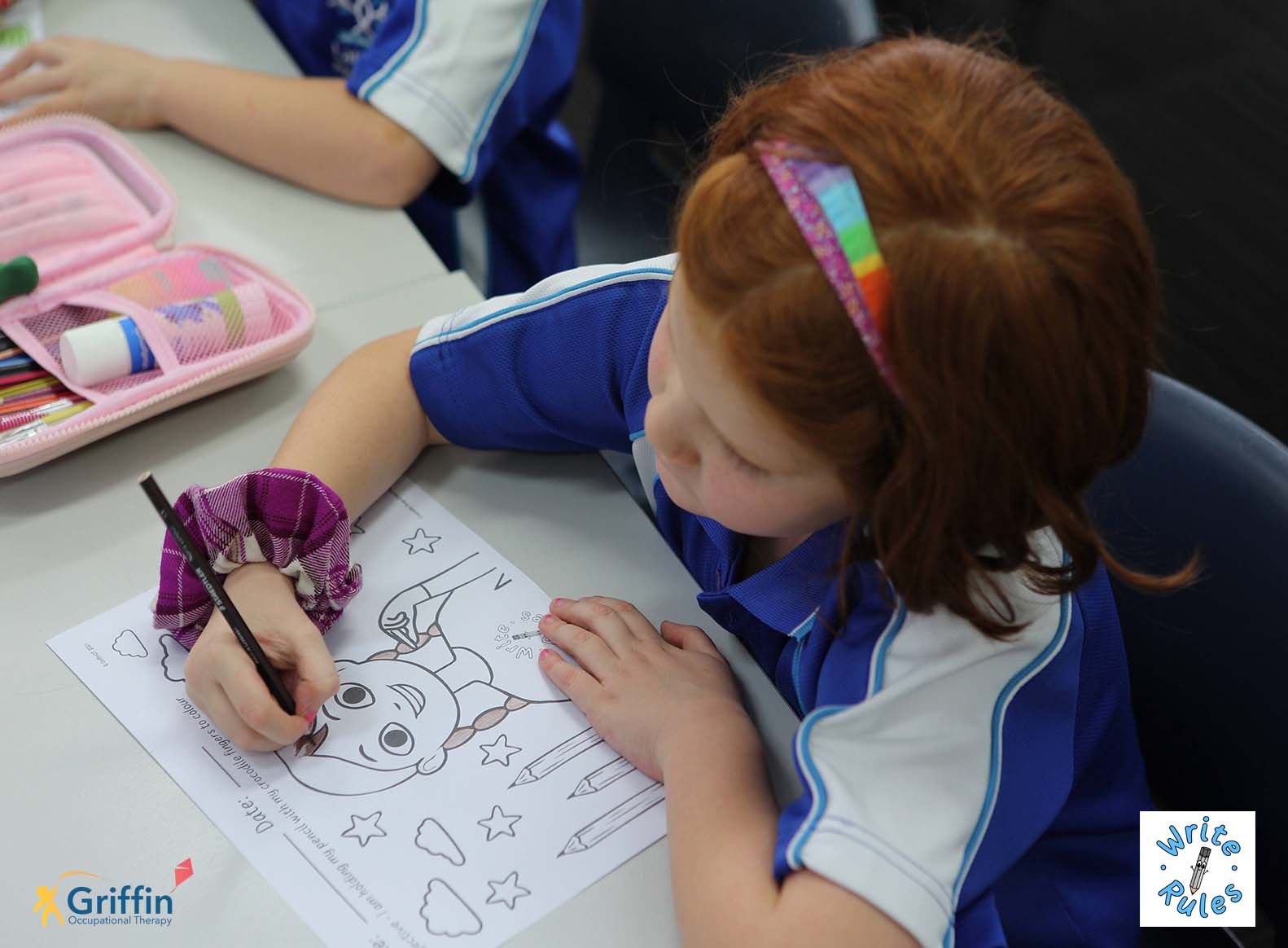
You can help at home by following the ideas above in this post and by using the letter family prompts on the printable wall chart.
“My goal is to teach children how to avoid these errors at the beginning. I want to help all children to understand the correct letter formations and patterns from the moment they pick up their pencil. If they can get it right from the start, then they won’t need to unlearn incorrect patterns with the help of an occupational therapist. At the end of the day, I would like to see far less referrals for poor handwriting.” Kim Griffin
Write Rules Core Principles
If you want to know a little bit more, these are the core principles that underpin the programme.
Date last updated by Kim: 1st January 2026
Other Articles You Might Be Interested In